The Role of Agriculture in Vocational Training for Youth
The Importance of Agriculture in Vocational Training
Agriculture plays a crucial role in vocational training for youth, providing a pathway to sustainable livelihoods and economic development. As the global population continues to grow, the demand for skilled agricultural professionals is increasing. This makes agriculture a vital sector for vocational education, offering numerous opportunities for young people to gain valuable skills and knowledge.

Hands-On Learning and Skill Development
Vocational training in agriculture emphasizes hands-on learning, allowing students to apply theoretical knowledge in real-world settings. This practical approach helps students develop essential skills such as crop management, animal husbandry, and sustainable farming techniques. By engaging directly with the land and resources, students gain a deeper understanding of agricultural practices and their impact on the environment.
Moreover, vocational programs often include training on modern technologies and innovations in agriculture, such as precision farming and the use of drones. These skills are highly sought after in today's job market, enhancing the employability of graduates.
Empowering Rural Communities
Agriculture-focused vocational training can significantly empower rural communities by providing young people with the skills needed to thrive in their local economies. By learning sustainable farming practices, youth can contribute to food security and economic stability in their regions. This training also encourages entrepreneurship, as young farmers can start their own businesses and create job opportunities for others.
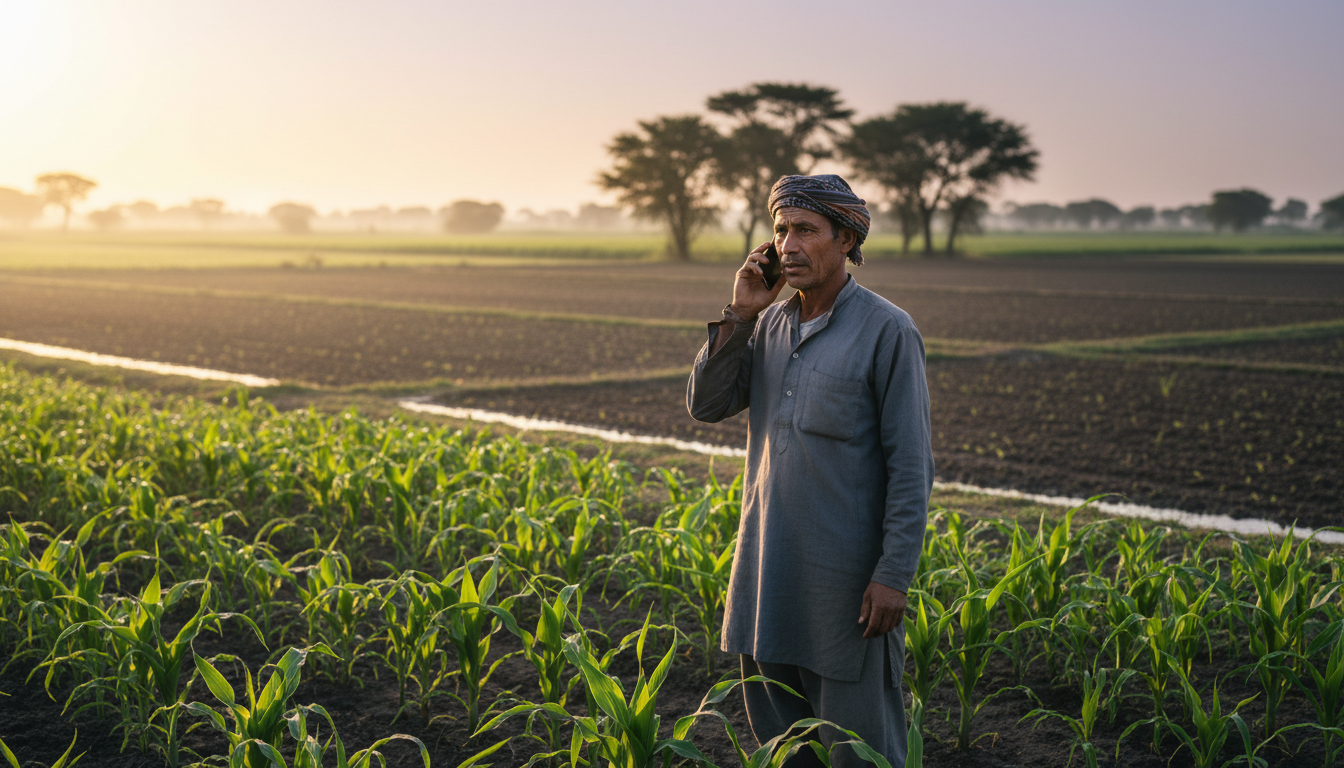
Programs that integrate community involvement and local resources ensure that the training is relevant and beneficial to the specific needs of the area. This fosters a sense of responsibility and commitment among young people to contribute positively to their communities.
Challenges and Opportunities
Despite the benefits, there are challenges in integrating agriculture into vocational training. These include limited access to resources, outdated curricula, and a lack of trained instructors. However, these challenges present opportunities for innovation and collaboration among educational institutions, governments, and private sectors.
- Partnerships with local farms and agricultural businesses can provide practical training and internships.
- Updating curricula to include modern agricultural technologies can make programs more relevant.
- Investing in teacher training ensures that instructors are well-equipped to deliver high-quality education.
The Future of Agricultural Vocational Training
As the world faces challenges such as climate change and food scarcity, the role of agriculture in vocational training becomes even more critical. By equipping youth with the skills to tackle these issues, we can ensure a more sustainable future.

Innovative approaches, such as integrating digital tools and promoting sustainable practices, will continue to shape the future of agricultural education. By investing in the next generation of agricultural professionals, we are investing in the future of our planet.
In conclusion, agriculture in vocational training offers immense potential for youth empowerment and community development. By addressing challenges and embracing opportunities, we can create a robust framework that supports young farmers and contributes to global sustainability.